
Identify the project material before choosing a container
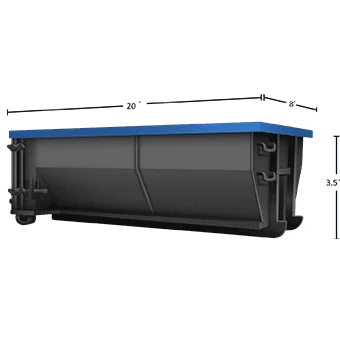
Separate items authorised for disposal from belongings being retained, returned or reused. Describe bulky items, dense debris and uncertain materials honestly rather than calling every load household rubbish. Ask the provider what it accepts and which offered container fits the actual job. A larger box does not automatically remove weight, loading or material restrictions.
Do not confuse the project with routine public collection
Taylorsville’s official garbage page identifies its Wasatch Front Waste and Recycling District partnership and separate information for household hazardous waste and landfill vouchers. Those programmes have their own terms. A private temporary-container enquiry should establish an eligible collection arrangement for the actual property rather than assume the City programme includes it or that this business represents the district.
Plan placement and loading with the responsible parties
Have the provider review the container position and complete vehicle approach, with property permission and any applicable public-area conditions addressed. Explain who will load the equipment and keep accepted contents clear to that group. Put uncertain items aside for an appropriate reviewed arrangement rather than concealing them in the load. Ask about collection, extensions and extra services in the actual offer.
Keep worker facilities a separate useful request
A cleanup crew may also need toilets and washing, but a debris container does not provide those functions. Coordinate the two equipment positions without blocking either service approach. Each request needs its own accepted contents or users, dates and provider responsibilities.
Questions before you book
Does the City garbage programme automatically include a project dumpster?
Do not assume it. Review the relevant programme terms or obtain a separate eligible project proposal for the actual property and materials.