
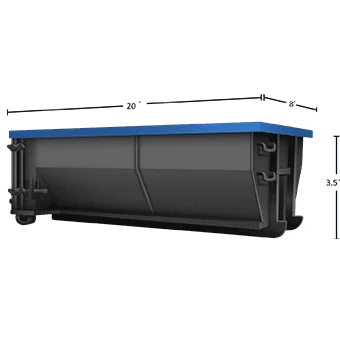
Discuss how materials reach the container
Explain whether the crew expects to carry items, use the offered loading door or use an appropriately managed project loading method. Ask for the actual container features and accepted loading instructions. Heavy pieces, awkward objects and large quantities of light packaging create different practical questions. The supplier should review the material rather than rely on the apparent empty volume alone.
Keep the door’s working area separate from storage
Where a loading door is offered, confirm the space needed for its accepted operation. The clear area should not become a convenient place for retained furniture, pallets or another contractor’s delivery. Do not force a door or alter the container when access is obstructed. Have the project contact and provider review a workable arrangement before loading makes a poor position harder to change.
Protect the accepted contents and return approach
Tell everyone loading what the provider has accepted and how uncertain items should be handled separately. Additional waste from another property needs review rather than being justified by spare room. Preserve the agreed vehicle access until collection is complete, including any required working space around the container. Ask how the removal or exchange is requested and confirm eligible hauling and property conditions for the actual order, not just the city name.
Questions before you book
Is the space occupied by a parked container the only clearance to consider?
No. Ask about the actual loading and vehicle operation, including any door and retrieval space required by the offered equipment.